Optimize Education with CRM Software: Streamline Operations and Enhance Student Engagement
CRM software, also known as Customer Relationship Management software, is a powerful tool that has gained popularity in various industries, including educational institutions. This software is designed to streamline and enhance the management of relationships with students, parents, alumni, and other stakeholders within the educational ecosystem. By centralizing and automating various processes, CRM software offers numerous benefits and use cases for educational institutions. In this article, we will explore the advantages and potential applications of CRM software in the context of educational institutions.
Streamlining Student Enrollment and Registration Processes
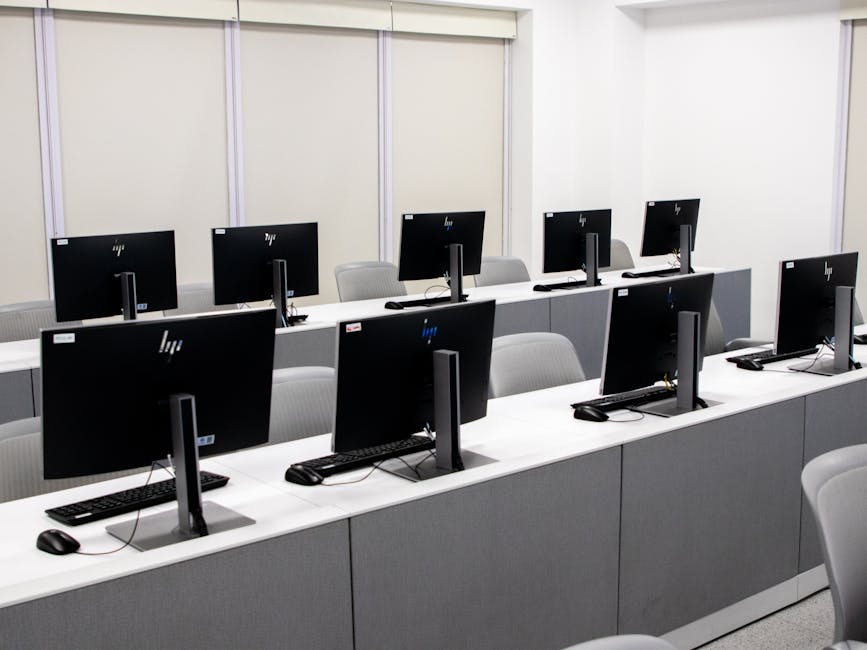
CRM Software for Educational Institutions: Benefits and Use Cases
In today’s fast-paced world, educational institutions are constantly looking for ways to streamline their processes and improve efficiency. One area that often poses challenges is student enrollment and registration. The traditional paper-based methods can be time-consuming and prone to errors. This is where CRM software comes in, offering a range of benefits and use cases for educational institutions.
One of the key benefits of using CRM software for student enrollment and registration is the ability to automate and digitize the entire process. With CRM software, educational institutions can create online application forms that can be easily accessed by prospective students. This eliminates the need for physical paperwork and allows students to apply from anywhere, at any time.
Furthermore, CRM software can also automate the review and approval process. Once a student submits their application, the software can automatically route it to the appropriate department for review. This not only saves time but also ensures that applications are processed in a timely manner.
Another benefit of CRM software for student enrollment and registration is the ability to track and manage applicant data. With CRM software, educational institutions can easily store and access information such as contact details, academic records, and application status. This centralized database allows for efficient communication with applicants and provides a holistic view of the enrollment process.
CRM software also offers various use cases for educational institutions when it comes to student enrollment and registration. For example, CRM software can be used to track and analyze enrollment trends. By analyzing data such as the number of applications received, acceptance rates, and enrollment numbers, educational institutions can make informed decisions about their recruitment strategies.
CRM software can also be used to personalize the enrollment experience for prospective students. By capturing and analyzing data about students’ interests, preferences, and academic backgrounds, educational institutions can tailor their communication and marketing efforts. This personalized approach can help attract and retain students, ultimately leading to higher enrollment numbers.
Furthermore, CRM software can also be integrated with other systems used by educational institutions, such as learning management systems and student information systems. This integration allows for seamless data transfer and ensures that all relevant information is accessible in one place. For example, if a student is accepted into a program, their information can be automatically transferred to the student information system, eliminating the need for manual data entry.
In conclusion, CRM software offers numerous benefits and use cases for educational institutions when it comes to streamlining student enrollment and registration processes. From automating and digitizing the entire process to tracking and managing applicant data, CRM software can greatly improve efficiency and accuracy. Additionally, CRM software can be used to analyze enrollment trends, personalize the enrollment experience, and integrate with other systems. By leveraging CRM software, educational institutions can enhance their enrollment processes and ultimately provide a better experience for both students and staff.
Q&A
Benefits of CRM Software for Educational Institutions:
1. Improved student engagement and communication.
2. Streamlined admissions and enrollment processes.
3. Enhanced student support and services.
4. Efficient management of student data and records.
5. Personalized learning experiences.
6. Effective alumni and donor management.
7. Data-driven decision making.
8. Integration with other systems and platforms.
9. Enhanced collaboration among faculty and staff.
10. Increased operational efficiency.
Use Cases of CRM Software for Educational Institutions:
1. Admissions and Enrollment Management: Managing applications, tracking prospects, and streamlining the enrollment process.
2. Student Support and Services: Providing personalized support, tracking student interactions, and managing student success initiatives.
3. Alumni and Donor Management: Engaging with alumni, managing fundraising campaigns, and tracking donor contributions.
4. Academic Advising: Tracking student progress, managing advising appointments, and providing academic support.
5. Marketing and Communications: Managing marketing campaigns, tracking leads, and communicating with prospective students.
6. Data Analytics and Reporting: Analyzing student data, generating reports, and making data-driven decisions.
7. Event Management: Planning and managing events such as orientations, open houses, and alumni reunions.
8. Collaboration and Communication: Facilitating communication and collaboration among faculty, staff, and students.
9. Resource Management: Managing facilities, equipment, and other resources.
10. Student Success Initiatives: Implementing programs and interventions to support student success and retention.In conclusion, CRM software for educational institutions offers numerous benefits and use cases. It helps streamline administrative tasks, improve communication and collaboration among staff, enhance student engagement and retention, and provide valuable insights for decision-making. With its ability to centralize data, automate processes, and personalize interactions, CRM software is a valuable tool for educational institutions looking to enhance their operations and deliver a better experience for students, staff, and stakeholders.